Friday, July 22, 2022

Dead Ahead: Exxon Valdez Oil Disaster in Context, continued


From its opening scenes showing Captain Joseph Hazelwood’s (Jackson Davies) absence from the bridge because of alcohol abuse to its dramatization of conflicts between the U.S. EPA and its local representative, Dan Lawn (John Heard) and between Exxon and its spokesperson, Frank Iarossi (Christopher Lloyd), Dead Ahead effectively addresses the post-spill disaster, arguing both through its narrative and cinematic portrayals of once-pristine waters and landscapes for double hulls in oil tankers and better implementation of protocols if and when another spill occurs. It does not, however, argue against the production and transporting of oil because, as Woodhead states, “America cannot afford to be without (oil) supply, but we better try to do a lot better in controlling how we get it out of there” (King). 


The powerful cinematic representations of the landscape became possible because “establishing shots and aerial footage were shot of the Port of Valdez,” even though Dead Ahead was primarily filmed in Vancouver, British Columbia. According to director Paul Seed, “it would have been difficult to shoot inside Alaska because of the unpredictable weather” (King). The wild shorelines of Vancouver overlap effectively with the establishing shots of Valdez and contrast well with the post-disaster shots of a spill (recreated with a gelatin-based food thickener) to accentuate the dangerous consequences of the spill—losing the pristine beauty of wild nature. 


These contrasting shots parallel the positions voiced by Lawn and Iarossi, who both in some ways oppose the organizations they see as responsible for the spill. Iarossi’s character becomes more authentic because Iarossi willingly answered interview questions, revealing, as he had during the actual spill’s aftermath, Exxon’s reactions to the spill. His focus on safety, however, reinforces the film’s emphasis on accident prevention rather than the eradication of oil production and shipment. Then president of the Exxon Shipping Company, Iarossi represented the company during public forums in Valdez and informed investigators that Captain Joseph Hazelwood was legally drunk during the tanker disaster.

Friday, July 15, 2022

Dead Ahead: The Exxon Valdez Oil Disaster in Context

 Dead Ahead: The Exxon Valdez Disaster focuses primarily on the reasons behind both the spill and its slow cleanup, however, rather than on the inherently dangerous consequences of oil production and shipment. To reinforce this assertion that safety regulations, not the oil industry per se, caused this horrendous disaster and its catastrophic consequences, the film provides a reenactment of the 1989 Exxon Valdez tanker catastrophe, from the moments before the tanker ran aground in Alaska’s Prince William Sound, rupturing its storage tanks and spilling millions of gallons of oil, through its devastating aftermath. 


According to Los Angeles Times staff writer, Susan King, “the behind-the-scenes catastrophes after the mammoth oil spill… shocked the British creative team of HBO’s docudrama Dead Ahead.” The film’s researcher-writer Michael Baker and executive producer Leslie Woodhead called the disaster “a black comedy” (King) because of the neglect and greed of oil and pipeline companies, and the disastrous choices made by the Coast Guard, the EPA, and the first Bush Administration. 


As King declares, the film “depicts the bureaucracy, fighting, and finger-pointing among officials at Exxon, the Alyeska Pipeline Company…, the Coast Guard, the U.S. Environmental Protection Agency and the Bush Administration, while the spill was left basically unattended for days.” Anger with these multiple groups’ mistakes prompted Baker and Woodhead to move forward with the film. As Woodhead explains, “It is so infuriating, the revelation that the oil laid there for three days in beautiful weather. It was just a tangle of priorities and people trying to tidy up their own images which left the oil lying there in the water” (King). Baker agrees, asserting, “People started kind of blaming each other…. It became a question of controlling the media, not cleaning up the oil, but controlling the spill as an event” (King).

Friday, July 8, 2022

The Real Price of Oil: When Externalities Become Transparent in Oil Documentaries


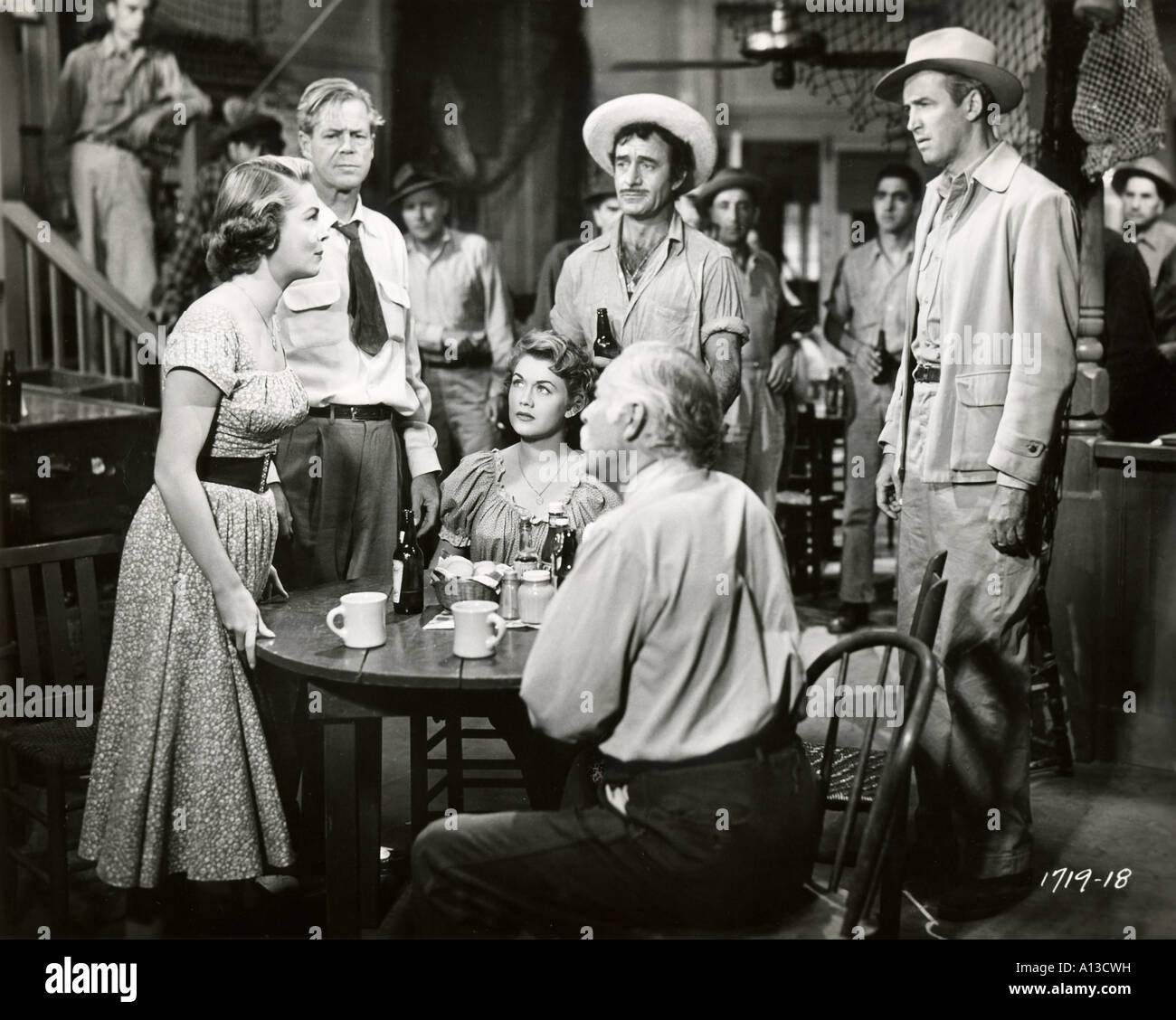
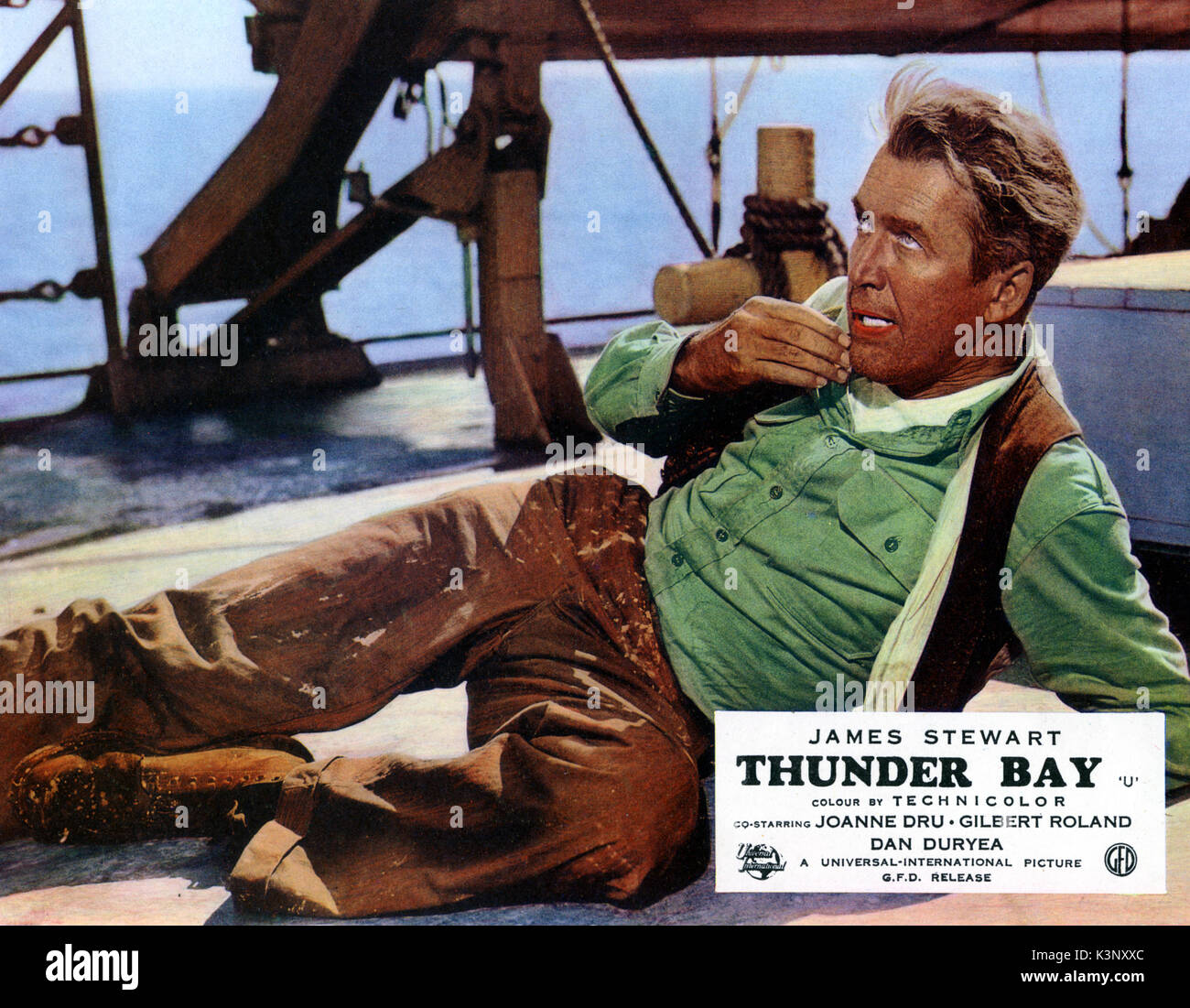
While Louisiana Story and Thunder Bay suggest that oil production will either leave the landscape untouched or benefit its ecosystem, films responding to major oil spills, including the March 24, 1989 Exxon Valdez eco-catastrophe in Alaska’s Prince Edward Sound, highlight the negative effects oil disasters may have on the environment and the cultures and economies it supports. 


Instead of condemning the oil industry in general, however, these films attack individuals and promote safe production practices. In a move similar to that of Louisiana Story, Dead Ahead: The Exxon Valdez Disaster (1992), Black Wave: The Legacy of the Exxon Valdez (2009), and Crude: The Real Price of Oil (2009), assert that because oil and the natural environment don’t mix, they must remain separate. Unlike Thunder Bay, which asserts that humans and the natural world can share an interdependent relationship, Dead Ahead, Black Wave, and, to a certain extent, Crude suggest that human and environmental disasters occur when safety precautions fail, either because of human error or blatant neglect. 


 If, as in Louisiana Story, however, oil companies enter the natural world briefly and with caution to avoid an indelible effect, then, the films suggest, they can avoid such disasters. Ultimately, these films perpetuate the same two myths upheld by Louisiana Story: If implemented correctly and safely, oil drilling can leave a natural setting untouched, so that humans and their technology can remain separate from nature rather than interconnected with it.

Monday, June 27, 2022

Thunder Bay and the Myth of Interdependence Conclusion


Once one of the shrimpers, Teche, learns that golden shrimp, shrimp that have eluded them for decades, are attracted to the rig, interdependence becomes possible. Martin shows Teche the golden shrimp off camera, so when Dominique and the townspeople arrive to take Francesca away, a symbiotic relationship between oilmen and shrimpers is established instead of the continuing conflict Dominique predicts. On camera, Martin tells Teche the golden shrimp foul up their intake valves at night and asks Teche what he might do for him. Teche declares, “What a dumb oil man,” but the ice has been broken and the battle between the shrimpers and oilmen is a short one. 


Martin connects that relationship between the two worldviews to Francesca’s marriage to Gambi, telling the townspeople, “She’s here to stay, and so are we,” when they ask for Francesca. “We won’t hurt ya. We never will. You look for one thing in the gulf. We look for something else. That’s the only business…. Without oil this country would die.” The rig begins to shake as if she will blow. “It’s going to be the richest oil field in the world.” And a gusher rushes up the rig: “Cap that thing fast!” 


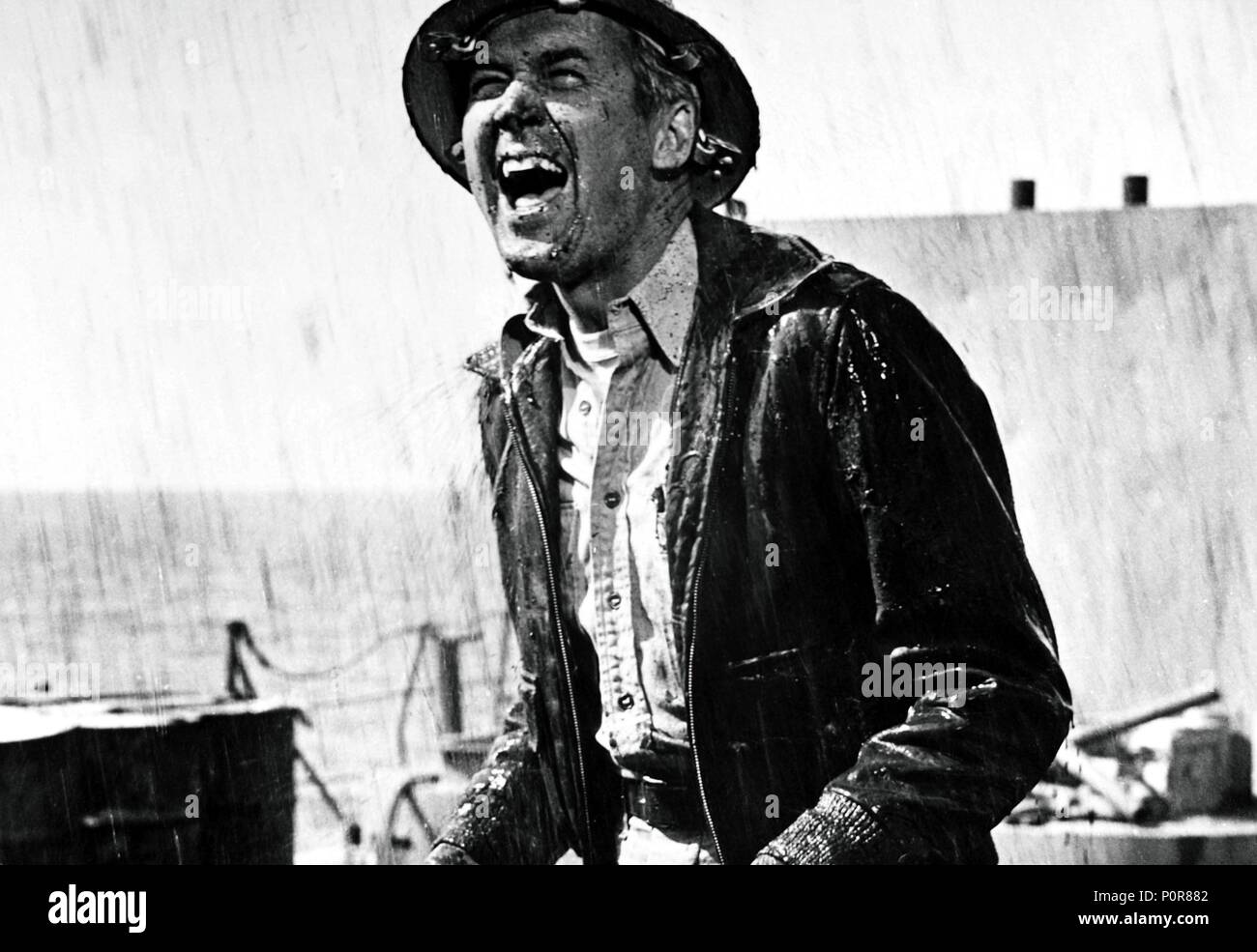
Now both oilmen and shrimpers can reap the benefits of oil drilling in the fantasy narrative on display in Thunder Bay. The oilmen rejoice, covered in oil, and Teche shows fellow shrimpers how to catch the golden shrimp. There are thousands of these wondrous shrimp, and a biotic community is established between oilmen and fishermen. This symbiotic relationship extends to marriage: Gambi marries Francesca, and Martin follows Stella to New Orleans in a truck borrowed from Teche. In a fantastic resolution to a realistic conflict between shrimpers and oilmen, Thunder Bay asserts interdependence, an organismic approach to ecology that suggests human and nonhuman nature can maintain a thriving relationship that benefits them all.

Monday, June 20, 2022

Thunder Bay and the Myth of Interdependence, cont.


The myth of interdependence in Thunder Bay rests on an impossible link between oil and shrimp. When Gambi returns to the rig he and Martin fight, so Gambi nearly loses his job, and the rest of the crew nearly leaves the rig. But when Gambi hears about the financial situation, he brings the men back into their oilrig community, telling them, “We oughta have some of the glory for bringing in the first offshore rig.” Then men stay, and Gambi has married Francesca, building the first tangible bridge between oilmen and shrimpers, so after Martin goes in for supplies, he brings Francesca back for the first honeymoon on an oil rig. 


Gambi also comes back to good news that confirms his claims that shrimp and oil do mix. The golden shrimp are clogging up the pumping devices. The shrimp are attracted to the rig and its drilling apparatus, the film asserts, and Martin reflects on how he should tell the shrimpers about this marvelous discovery. According to Gambi, the golden shrimp only come out at night in this particular part of the bay and could provide shrimpers with a bounty they have never seen before. 


Before Martin can reveal the good news, however, Dominique nearly eradicates the possibility of this effective connection. Instead, he wants to fight Martin and Gambi, rescue Francesca, and destroy the rig. Dominique proclaims, “They’ll kill our fish. They will take everything from us.” The conflict between oil drilling and shrimping is still in place, but, in the film’s context, only because the “truth” has not yet been revealed to Dominique and his friends.

Monday, June 13, 2022

Thunder Bay and the Myth of Interdependence, cont.


 The climax of Thunder Bay occurs when Francesca’s fiancĂ© Phillipe (Robert Monet) tries to blow up the rig, violently opposing oil drilling and causing Martin to think Stella is part of the plan. Martin stops the blasting, but fiancĂ© Phillipe falls, and Martin can’t save him. Drilling continues despite this disaster, with a montage sequence illustrating progress. With eight days to go, however, Mac must pull out of the operation. The company would not finance the drilling, Mac explains, so Mac did, and he is out of money. Now the corporate board will no longer support the project, and it seems as if the shrimpers have won. 


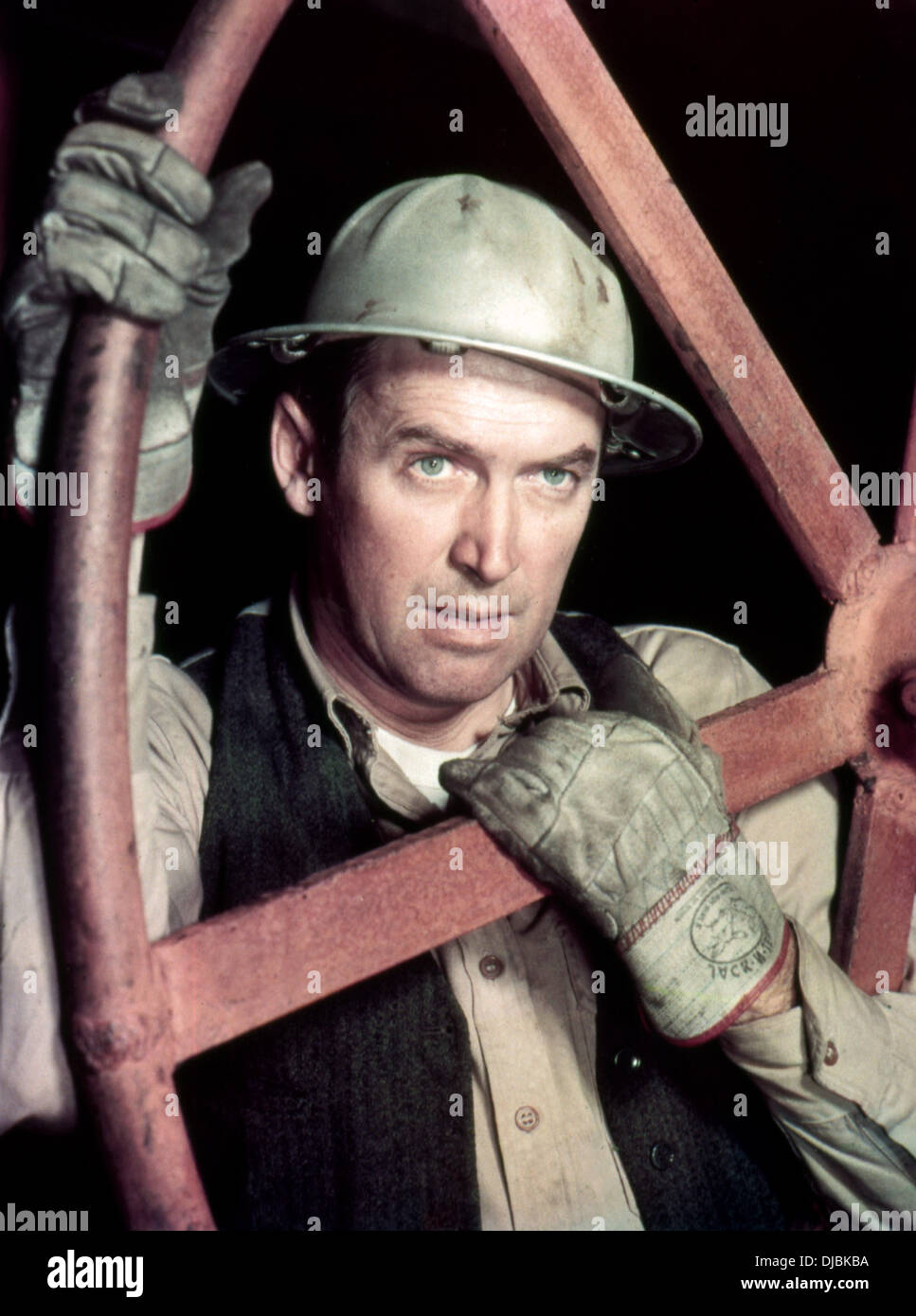
The consequence of the looming deadline provides an exciting spectacle to heighten tension and, in a parallel to the shrimping families ashore, to demonstrate the strong community built on the oil rig. Drilling is going so fast to meet the deadline that a warning bell goes off. It is a saltwater blow, and Gambi is not on the rig to stop it, since he has not yet returned from his secret shore visit with Francesca. All men run to their stations and use the blow out prevention system to stop the blow. When the automatic system fails, they turn to the manual operation, turning the wheels together. Mac and Martin work alongside the men, and the system works. 

The oil rig community seems to be working to ensure a successful drilling process. With Gambi still away, Martin offers the men a $200 bonus if they hit oil, explaining that they will need to work for free for the last week of the operation, since their funding has fallen through. Martin exclaims, “There’s enough oil there to lubricate the universe.”

Monday, June 6, 2022

Thunder Bay and Myth of OIl/Sea Interdependence, Continued


Thunder Bay showcases an evolutionary argument that highlights a desire for a progress built on a rich past and, of course, on oil. Dominique remains unconvinced, however, and induces Mr. Parker (uncredited) from the Department of Wildlife and Fisheries to intervene with a cease and desist order for Martin and Gambi. When Dominique and Parker arrive with the order, Martin has already stopped the blasting, since they have chosen a drilling site. 


Martin’s financial support, Macdonald, “Mac,” however, trusts Martin's claims and gives him twenty-six days to find oil below the rig and, perhaps, even less time to convince the locals that oil and shrimp can build prosperity. During the initial drilling process, shrimpers and oilmen remain in opposition. But Martin is so dedicated to this mission that he stays on the rig during a possible hurricane. 


And when Stella comes to make sure her younger sister, Francesca, does not marry Gambi, Martin explains the challenge of oil drilling and establishes a foundation for his own beliefs in mutual progress: “Now oil was found…. It was found from things dying millions of years ago” and can build a future from the past putting all time together.