Monday, June 27, 2022

Thunder Bay and the Myth of Interdependence Conclusion


Once one of the shrimpers, Teche, learns that golden shrimp, shrimp that have eluded them for decades, are attracted to the rig, interdependence becomes possible. Martin shows Teche the golden shrimp off camera, so when Dominique and the townspeople arrive to take Francesca away, a symbiotic relationship between oilmen and shrimpers is established instead of the continuing conflict Dominique predicts. On camera, Martin tells Teche the golden shrimp foul up their intake valves at night and asks Teche what he might do for him. Teche declares, “What a dumb oil man,” but the ice has been broken and the battle between the shrimpers and oilmen is a short one. 


Martin connects that relationship between the two worldviews to Francesca’s marriage to Gambi, telling the townspeople, “She’s here to stay, and so are we,” when they ask for Francesca. “We won’t hurt ya. We never will. You look for one thing in the gulf. We look for something else. That’s the only business…. Without oil this country would die.” The rig begins to shake as if she will blow. “It’s going to be the richest oil field in the world.” And a gusher rushes up the rig: “Cap that thing fast!” 
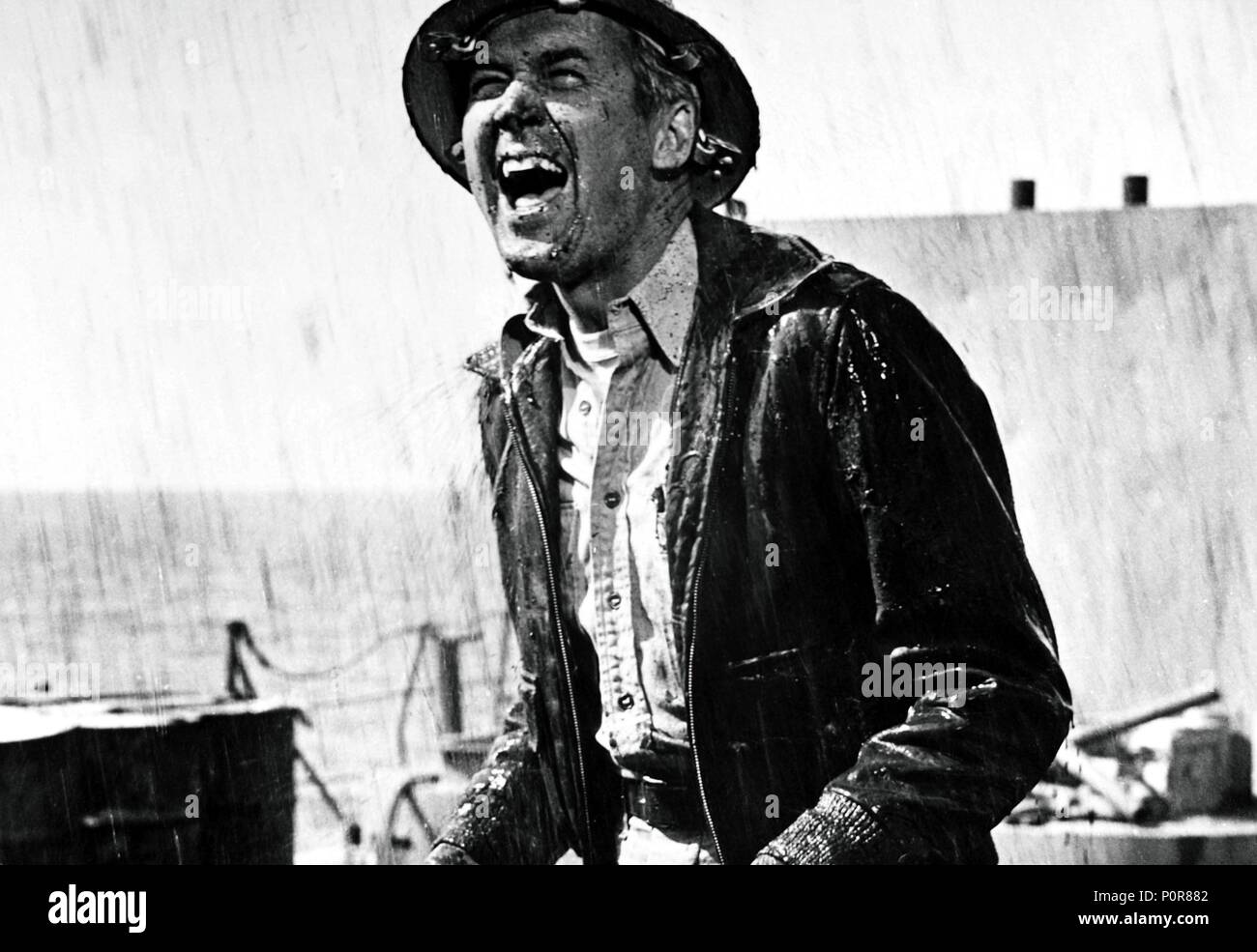


Now both oilmen and shrimpers can reap the benefits of oil drilling in the fantasy narrative on display in Thunder Bay. The oilmen rejoice, covered in oil, and Teche shows fellow shrimpers how to catch the golden shrimp. There are thousands of these wondrous shrimp, and a biotic community is established between oilmen and fishermen. This symbiotic relationship extends to marriage: Gambi marries Francesca, and Martin follows Stella to New Orleans in a truck borrowed from Teche. In a fantastic resolution to a realistic conflict between shrimpers and oilmen, Thunder Bay asserts interdependence, an organismic approach to ecology that suggests human and nonhuman nature can maintain a thriving relationship that benefits them all.

Monday, June 20, 2022

Thunder Bay and the Myth of Interdependence, cont.


The myth of interdependence in Thunder Bay rests on an impossible link between oil and shrimp. When Gambi returns to the rig he and Martin fight, so Gambi nearly loses his job, and the rest of the crew nearly leaves the rig. But when Gambi hears about the financial situation, he brings the men back into their oilrig community, telling them, “We oughta have some of the glory for bringing in the first offshore rig.” Then men stay, and Gambi has married Francesca, building the first tangible bridge between oilmen and shrimpers, so after Martin goes in for supplies, he brings Francesca back for the first honeymoon on an oil rig. 


Gambi also comes back to good news that confirms his claims that shrimp and oil do mix. The golden shrimp are clogging up the pumping devices. The shrimp are attracted to the rig and its drilling apparatus, the film asserts, and Martin reflects on how he should tell the shrimpers about this marvelous discovery. According to Gambi, the golden shrimp only come out at night in this particular part of the bay and could provide shrimpers with a bounty they have never seen before. 


Before Martin can reveal the good news, however, Dominique nearly eradicates the possibility of this effective connection. Instead, he wants to fight Martin and Gambi, rescue Francesca, and destroy the rig. Dominique proclaims, “They’ll kill our fish. They will take everything from us.” The conflict between oil drilling and shrimping is still in place, but, in the film’s context, only because the “truth” has not yet been revealed to Dominique and his friends.

Monday, June 13, 2022

Thunder Bay and the Myth of Interdependence, cont.


 The climax of Thunder Bay occurs when Francesca’s fiancĂ© Phillipe (Robert Monet) tries to blow up the rig, violently opposing oil drilling and causing Martin to think Stella is part of the plan. Martin stops the blasting, but fiancĂ© Phillipe falls, and Martin can’t save him. Drilling continues despite this disaster, with a montage sequence illustrating progress. With eight days to go, however, Mac must pull out of the operation. The company would not finance the drilling, Mac explains, so Mac did, and he is out of money. Now the corporate board will no longer support the project, and it seems as if the shrimpers have won. 


The consequence of the looming deadline provides an exciting spectacle to heighten tension and, in a parallel to the shrimping families ashore, to demonstrate the strong community built on the oil rig. Drilling is going so fast to meet the deadline that a warning bell goes off. It is a saltwater blow, and Gambi is not on the rig to stop it, since he has not yet returned from his secret shore visit with Francesca. All men run to their stations and use the blow out prevention system to stop the blow. When the automatic system fails, they turn to the manual operation, turning the wheels together. Mac and Martin work alongside the men, and the system works. 

The oil rig community seems to be working to ensure a successful drilling process. With Gambi still away, Martin offers the men a $200 bonus if they hit oil, explaining that they will need to work for free for the last week of the operation, since their funding has fallen through. Martin exclaims, “There’s enough oil there to lubricate the universe.”

Monday, June 6, 2022

Thunder Bay and Myth of OIl/Sea Interdependence, Continued


Thunder Bay showcases an evolutionary argument that highlights a desire for a progress built on a rich past and, of course, on oil. Dominique remains unconvinced, however, and induces Mr. Parker (uncredited) from the Department of Wildlife and Fisheries to intervene with a cease and desist order for Martin and Gambi. When Dominique and Parker arrive with the order, Martin has already stopped the blasting, since they have chosen a drilling site. 


Martin’s financial support, Macdonald, “Mac,” however, trusts Martin's claims and gives him twenty-six days to find oil below the rig and, perhaps, even less time to convince the locals that oil and shrimp can build prosperity. During the initial drilling process, shrimpers and oilmen remain in opposition. But Martin is so dedicated to this mission that he stays on the rig during a possible hurricane. 


And when Stella comes to make sure her younger sister, Francesca, does not marry Gambi, Martin explains the challenge of oil drilling and establishes a foundation for his own beliefs in mutual progress: “Now oil was found…. It was found from things dying millions of years ago” and can build a future from the past putting all time together. 

Monday, May 30, 2022

Thunder Bay and the Myth of Interdependence


 Ultimately, Thunder Bay reinforces Steve Martin’s position on offshore oil drilling. Martin effectively argues for the off-shore drilling by stressing interdependence, an organismic approach to ecology, claiming that oil and shrimp can not only mix but bring prosperity to all: “There’s oil down there,” Martin proclaims, and “this is going to be good for the town, good for the people.” 


The conflict is not so easily resolved, however, and must first rise to a climax. Because of his opposition to oil drilling, for example, Dominique will no longer rent his shrimp boat to Martin and Gambi, but his friend Teche (Gilbert Roland) will, perhaps only as another income source. The other shrimpers remain concerned: “Don’t they know they’re killing the shrimp?” Dominique asks. Stella, Dominique’s oldest daughter agrees, exclaiming, “The town’s not enough. They have to kill the whole bay.” 


During the initial seismic blasting that will locate the best areas for underwater drilling, Martin disagrees and reinforces his claims that oilmen and shrimpers can build a prosperous community together: “Those shrimp can withstand ten times the blast,” he asserts. After the blasting, however, the townspeople plan to stop Martin and Gambi because they believe their dynamite may have destroyed the shrimp beds. 


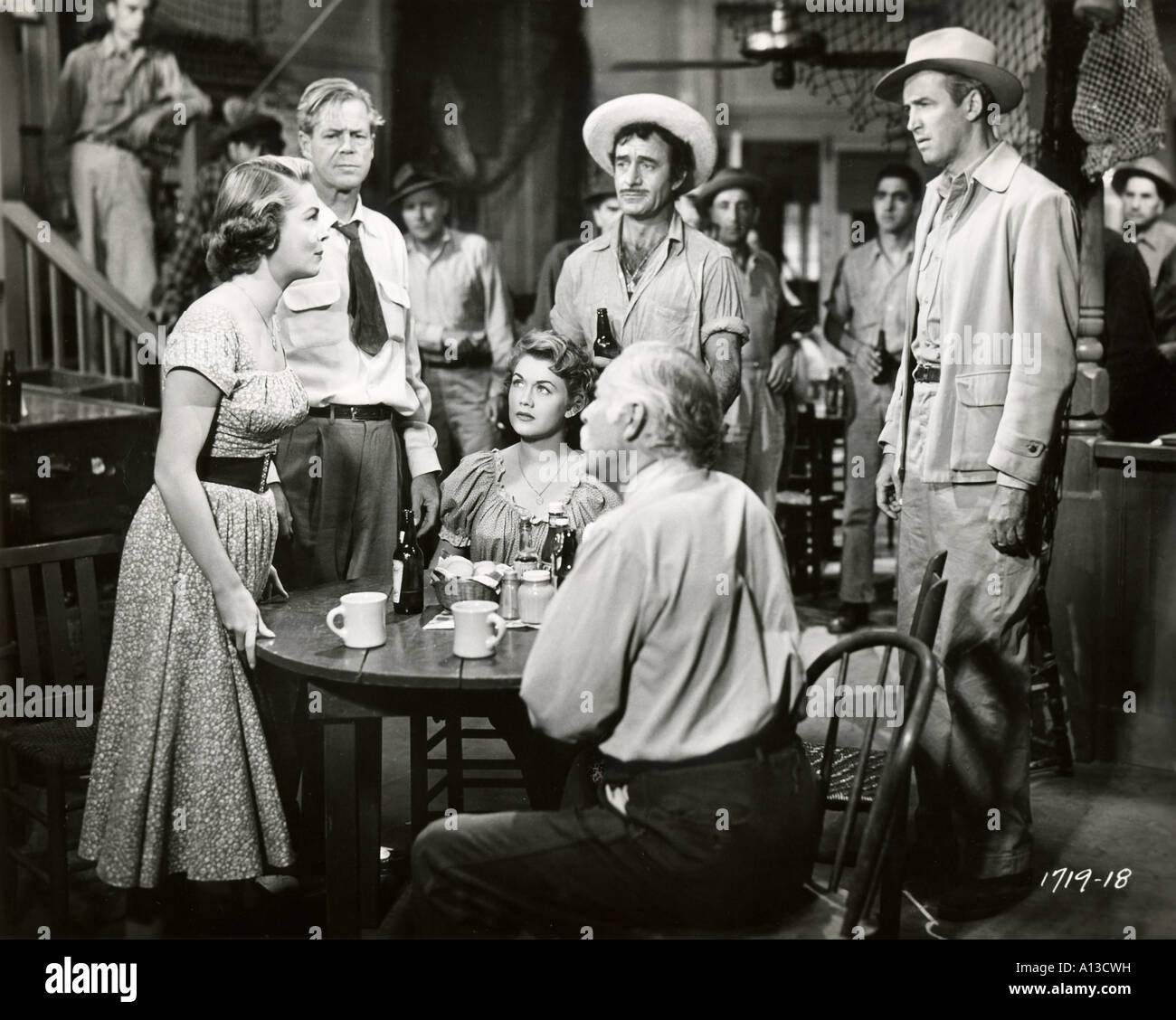
When Stella warns Martin that the townspeople may confront him, however, he continues to stress the potential for an interdependent relationship between shrimpers and oilmen, telling her that dynamite won’t “do any harm. If it hurt the shrimp, I’d stop it.” And when the townspeople nearly attack him, Martin continues to espouse his claims for an interdependent relationship between them: “Nothing we do spoils the fish or the town…. Oil is going to do good things for the place.”

Monday, May 23, 2022

Thunder Bay and the Myth of Interdependence


Set in 1946 Louisiana, Thunder Bay connects oil drilling and shrimping from its opening shot of Johnny Gambi and Steve Martin (James Stewart) walking down a long deserted road: They carry a heavy chest and discuss a money making idea that will require a $2 million investment, but then a Port Filliay Fish Company truck picks them up and takes them into town for a 2:00 appointment, aligning their oil drilling plan with the community’s fishing industry. The connection between fishing and oil drilling broached by the film is emphasized here, especially since, once they reach town, Gambi rents a shrimp boat for $50 a day, so the two can, they hope, form a partnership with a big oil man, Kermit MacDonald (Jay C. Flippen). 


At first, however, the relationship between oil drilling and fishing is seen as conflicting rather than interdependent. To offset any hostility their enterprise might ignite, Gambi and Martin encourage area fishermen to think they are opening a fish cannery. But when their potential investors arrive by seaplane and, despite company troubles, agree to fund Steve Martin’s project, an offshore drilling platform and rig, the film’s major conflict is broached. Even though business investor MacDonald gives Stewart money in advance to pay off debts and promises to deposit $500,000.00 the next day, the area shrimpers are skeptical of this possible disruption to their means of survival and way of life. 


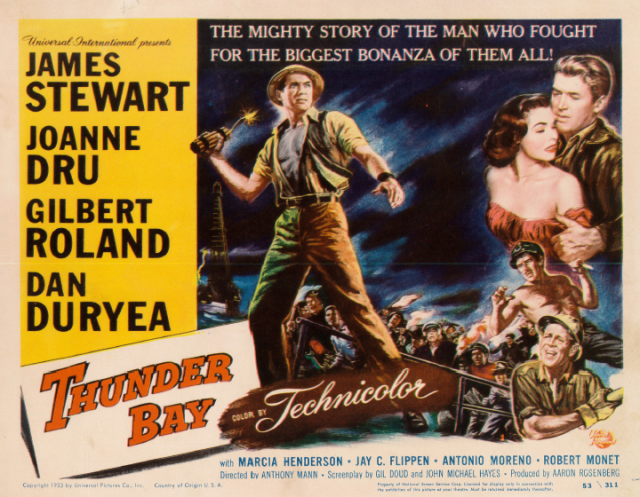
The shrimp boat owner Dominique’s (Antonio Moreno) daughters serve as love interests for Gambi and Martin and another source of conflict between local fishermen and the oil drillers: the elder sister Stella (Joanne Dru) eventually partners with Martin, and the younger sister Francesca (Marcia Henderson) pairs up with Gambi. Primarily, however, the townspeople oppose Martin and Gambi, believing that oil and shrimp can’t mix. The primary conflict of Thunder Bay, then, is between those who make a living from the sea—shrimpers and other fishermen—and those who would like to make a living from what lies beneath its waters—oilmen. Although history suggests this conflict is irresolvable, however, the film negotiates a resolution between these two world views and sources of income that is based in organismic approaches to ecology.

Monday, May 16, 2022

Thunder Bay and the Myth of Interdependence, continued


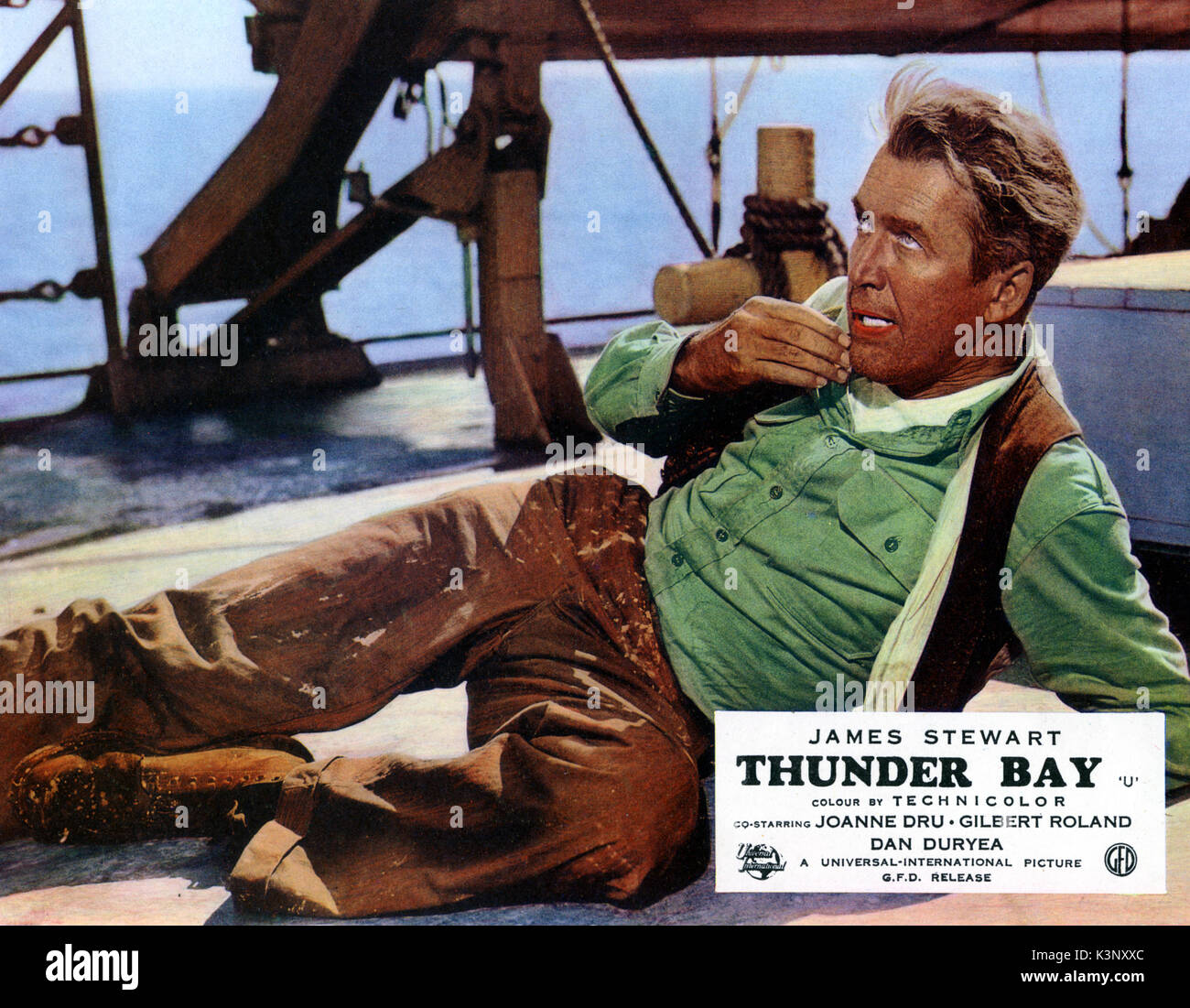
According to James Stewart biographer Jeanine Basinger, “Although it is somewhat unsettling today to watch a movie that sets a conflict between oil-drilling and nature—and oil-drilling is the hero—the machinery and the rig are photographed as things of beauty and majesty” (132) in Thunder Bay. From Basinger’s perspective, “Hard industrial grays and reds replace the greens and blues of nature and become the ‘colors’ of the modern era” (132). A. W. of The New York Times agrees, asserting that visually, “the complex off-shore drilling apparatus is the most distinctive aspect of Thunder Bay.” Shot in Technicolor and shown on an innovative “wide, curved screen [with] stereophonic [stereo] (or directional) sound” (A.W.) in the Loew’s State Theatre, Thunder Bay’s vast setting took center stage, overshadowing its weak narrative. 


Basinger calls the film and its ending “a modern environmentalist’s worst nightmare” based on her reading of the film as a conflict between oil-drilling and nature in which oil-drilling wins, perhaps missing the film’s implausible environmental message: shrimpers and oil men can live together interdependently because the elusive golden shrimp are not only undamaged by oil drilling but attracted to the rig. Other reviewers address this move toward interdependence. Reviewer Dennis Schwartz claims the film’s resolution “has shrimpers and oil men willing to live with each other in harmony, saying there’s room for both.” Reviewer Dan Jardine asserts that Anthony Mann establishes a conflict of world-views between what he calls Hispanic shrimp fishermen and speculative oil men but “backs away from the dialectic he has established from the get-go and gives us a soppy and completely implausible restorative ending.” 


Although we agree that the film’s ending is implausible, we argue that the seeds of a resolution to the conflict between shrimpers and oilmen are planted early in the film when the romantic plot between Johnny Gambi (Dan Duryea) and Francesca Rigaud (Marcia Henderson) is broached. Thunder Bay moves beyond Louisiana Story, then, not only claiming that oil drilling can leave the natural world untouched, but also asserting that oil drilling and shrimping can coexist interdependently.