Sunday, February 23, 2020

The Nest and Cockroach Horror--Conclusion


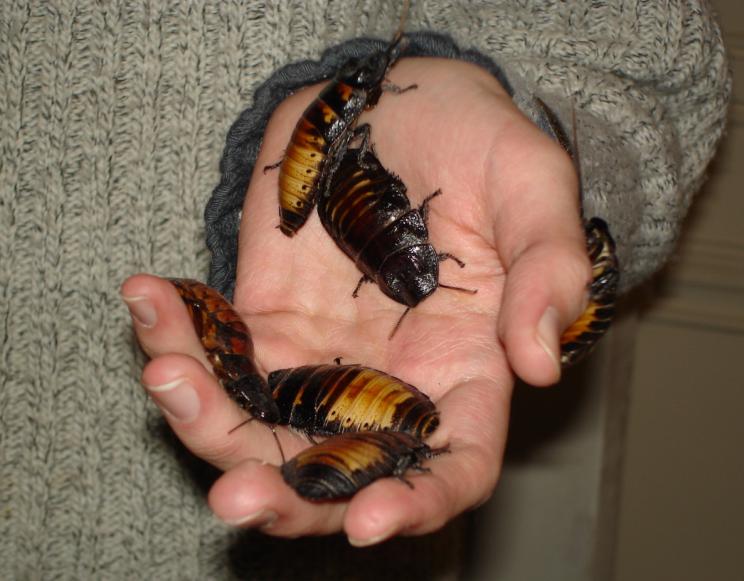
In The Nest, genetically-modified cockroaches are personified, embodying the worst human traits and characteristics with monstrous effects that move them inevitably toward death and destruction. In the final scenes of the film, Beth’s examination of Elias’s papers begins to reveal the truth about these cockroaches’ genetic alteration. Instead of condos, Intec has built a research facility where, according to Hubbard, her experiments are benevolent rather than destructive and meant to create cockroaches that will destroy all other roaches and then die without reproducing. Instead the cockroaches have grown so powerful that even a lethal pesticide can’t destroy them. A solution arises when they realize the roaches have become social animals and must have a nest and a queen to guide them.

Image result for cockroach images

The final sinister scenes of the movie emphasize a possible solution to the horror of this now monstrous nature. As Beth explains, if they destroy the caves, they will destroy the nest, suggesting that if they destroy the horror setting, the monstrous insect horror will also disappear. The roaches all go toward the queen in the caves like “a collective unconscious,” making an overt connection to an anthropomorphized cockroach mythology.
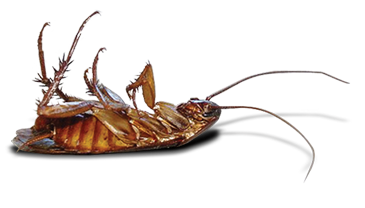
Image result for cockroach images 
And Beth’s hypothesis rings true. In the cave where the nest is hidden, Dr. Hubbard is destroyed by a roach figure built out of multiple human skeletons. Tarbell and Beth escape the cave before it explodes, and the two kiss, an ending that perhaps satisfactorily resolves the insect conflict in the film but leaves gaps in the love triangle connecting with it. In The Nest, both science and the cockroach become monstrous, but only the bugs and the mad scientist die, perhaps signifying the need to destroy our worst selves.

Monday, February 17, 2020

The Nest, Part 2


The Nest also constructs scientists as monsters when Intec sends an entomologist, Dr. Morgan Hubbard (Terri Treas), to the island to examine the devoured dog. Dr. Morgan serves as a typical representative of the inhuman and perhaps “mad” scientist seen in most classic monster movies. Dr. Hubbard’s response to these incidents emphasizes the negative portrait of science and scientists in the film. 


Instead of the fear felt by the rest of the community, Dr. Hubbard seems enamored by the roaches and explicitly anthropomorphizes them. For example, when the cockroaches attack a trapped cat, she exclaims, “very brave, very strange creatures,” a point emphasized by the few predators that can threaten the cockroach. These strengths add to the town’s danger but also draw on cockroach mythology.


Because they have been genetically modified in an Intec lab, the roaches have developed new powers, more concretely illustrating human and god-like qualities associated with them. Because she has produced them, Dr. Hubbard embraces these new superior but deadly qualities, naming them nymph cockroaches. She lauds their ability to reproduce without the contributions of male counterparts, but when she puts her gloved hand near them in a large lab container, they quickly bite it, highlighting their move from human prey to predator.


As a “mad” scientist, however, she seems sexually excited by the mangling of her hand, refusing to remove it until Elias pulls it out before the roaches devour it. Despite these warning signs, Dr. Hubbard tells Elias she can control the roaches and asks for twenty-four hours to solve the problem, a solution, we discover quickly, doomed to fail.

Monday, February 10, 2020

The Nest 1988: Part I


The Nest (1988) copies Alien (1979) with its focus on the corporate science connection, ultimately leading to the discovery of a queen and her brood hidden deep in a cave outside an idyllic California coastal town. The film serves as a warning against genetic modifications of cockroaches, a transformation that turns bugs into horrifically anthropomorphized monsters. Negative associations with the insects heighten their monstrous qualities as they take center stage from the film’s opening until its closing denouement. These cockroaches are first established as pests that must be eradicated but transform into monsters that may ultimately destroy humanity instead.


The film opens in the small harbor town of North Port where Sheriff Richard Tarbell’s (Franc Luz) switchboard officer has been getting strange calls about missing animals, calls that are immediately connected to insects when Tarbell finds a cockroach in his coffee at a diner counter. The presence of cockroaches is also reinforced when the librarian reveals that something—mice or insects—has eaten all of the binding out of her library books.


The central cockroach drama, however, intertwines with a subplot of the film, a love triangle Tarbell creates between himself and two women, the diner’s owner Lillian (Nancy Morgan) and his previous girlfriend Elizabeth (Lisa Langlois). The reigniting of Tarbell and Elizabeth’s romance begins to solve the mystery broached by the cockroach evidence. When Elizabeth takes a walk toward the hideout of their youth, she finds a “no trespassing” sign labeled “Intec Development.” A German Shepherd’s cries of agony stop her, and when she reaches him, his flesh has been eaten down to the bone. Tarbell investigates and retrieves something that looks like insect droppings on the dog, yet village mayor Elias urges Tarbell to hold off on searching the Intec property for more evidence. He claims Intec is building condominiums to bring revenue to the island.

Saturday, February 8, 2020

Damnation Alley, Part 2


The second set of insect monsters show up later in the film, after the military compound near Tanner and Keegan’s refuge explodes when a cigarette ignites a gas leak, and only two of the officers housed there survive, Major Eugene Denton (George Peppard) and Lt. Tom Perry (Kip Niven). The new insect monsters emerge in Salt Lake City, Utah, where the group encounters large formations of killer cockroaches while collecting supplies.


The first evidence of the roaches appears when they find a human skeleton picked completely clean by radioactive cockroaches emerging from the sewers. To emphasize their monstrous nature, the roaches attack Keegan, who is overwhelmed and killed in seconds. Tanner and love interest Janice (Dominique Sanda) encounter hordes of cockroaches in a department store, as well, but they escape on their motorcycle. “The whole town is infested with killer cockroaches,” Tanner exclaims, an insight proven when we see bare human bones throughout the town.


Cockroaches are constructed as monsters throughout these battles within the community, with little attempt to anthropomorphize them. As the survivors head toward the hope of sanctuary in Albany, New York, insects become monsters, even when they defy all accurate natural laws. Radiation serves as the culprit causing changes in insect life, alterations that don’t appear in any other species in the film. Ultimately Tanner, Janice, and Denton successfully combat all the insect monsters they encounter and find fellowship in Albany, with what we presume are the only remaining humans in the U.S. The transformed cockroaches presumably live on as monstrous nature that must be eradicated or avoided.

Friday, January 31, 2020

Damnation Alley, Part 1


Based on a novel by science fiction writer Roger Zelazny, Damnation Alley (1977) shows us an Earth that is tilted off its axis after a Third World War, covered in radioactive dust, and surrounded by bizarre red clouds and spasmodic flames. Like the iconic Big Bug movie Them! (1954), one of the new realities is monstrously transformed insect life. According to the film’s narrator, the climate has gone insane. Once the radiation settles down, all that is left for the few humans that remain is a struggle for survival and dominance, the film tells us, a struggle nearly thwarted by the monstrous insects created by nuclear war.


The first set of insect monsters in the film are giant blue scorpions that surround a compound where ex-military personnel now live. The scorpions attempt to attack a motorcycle rider, Tanner (Jan-Michael Vincent), who is returning from town with a stuffed life-size female doll. His roommate, Keegan (Paul Winfield) first believes Tanner has sacrificed a woman to the scorpions, but when he looks through his binoculars, he realizes it is a department store mannequin.


This comic scene in some ways separates Damnation Alley from earlier insect horror films with primarily serious tones. In an essay suggesting that these big bug movies were responding to “growing misgivings about the safety and effectiveness of modern insecticides,” historian William M. Tsutsui argues, “Critics and historians have invariably interpreted these cinematic big bugs as symbolic manifestations of Cold War era anxieties, including nuclear fear, concern over communist infiltration, ambivalence about science and technocratic authority, and repressed Freudian impulses” (1). Despite the comic effect, however, these scorpions are portrayed as monsters that must be avoided and destroyed, even though humanity’s addiction to war produced them.


Friday, January 24, 2020

The Move 1917 in 2020

1917 in 2020


The film 1917 with Bill was a nice distraction, with its long takes and subtle anti-war message. 


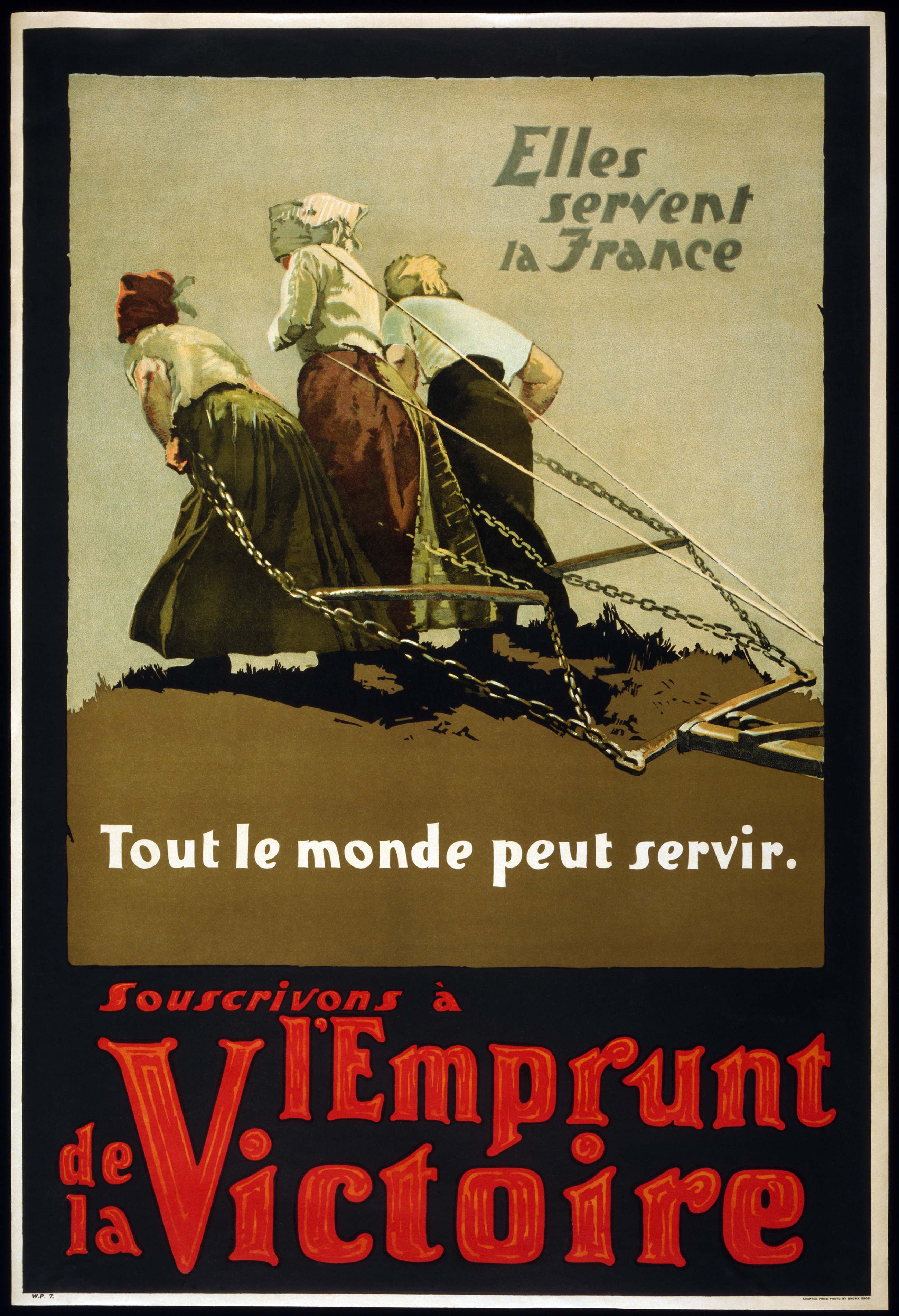
I will say, though, that the film managed to include only one woman character, a French mother whose speech was untranslated, suggesting even she did not have a voice. 


Director Sam Mendes sees the film as a tribute to relatives who fought in the war. But I just wonder when women’s stories might be as compelling for male directors. 


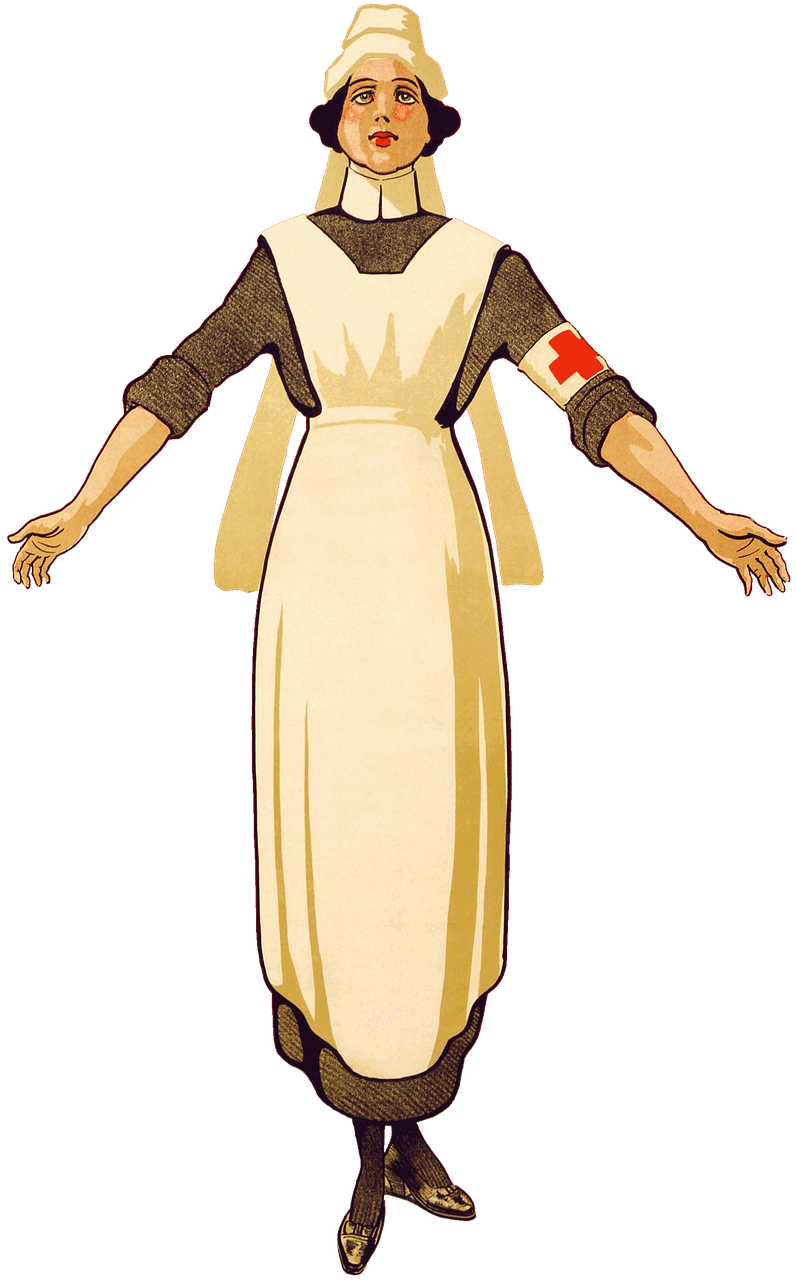
I think, for example, they could easily make a series of films about the valor of women nurses from the Crimean War forward. Why not move from the real Florence Nightingale to the fictional Anne Taylor sleuth and nurse, Hester Latterly (with their Crimean War experiences)? Stories could continue into later 19th C. and the entire 20th. 

Sunday, January 12, 2020

Cli-Fi Power, Continued


Although there are few studies of the effects cli-fi and other eco-horror films have on viewers’ awareness of environmental issues, the environmental movement has definitely made its mark in classic and contemporary horror cinema. Despite their emphasis on monstrous nature, the horror films we explore here also demonstrate the true monster in the Anthropocene age: humanity itself. Anti-nuclear energy films from Them! to the recent Godzilla highlight a nonhuman monster, perhaps, but in each not only do humans create these radioactive creatures. They also anthropomorphize them, emphasizing their similarity to ourselves. Evolutionary narratives in zombie and parasite films also point to humanity as the cause for their demise, but they also include humans in the evolutionary narratives they explore. Horror films examining human ecology and the gendered body even more explicitly integrate humans into the natural world.


All of the films explored in our Monstrous Nature book suggest the horrors on display are human-made. As Paul Wells explains, they examine the repercussions of humanity’s desire to challenge natural selection and “‘artificially’ impose [] itself upon the conditions of material existence, while nature slowly but surely, organically and often invisibly, changes the world” (5). Whether addressing cockroaches or climate change, these films also seem to suggest monstrous horrors can be solved not through mad scientist experiments but through a return to an interdependent biotic community with or without humanity.